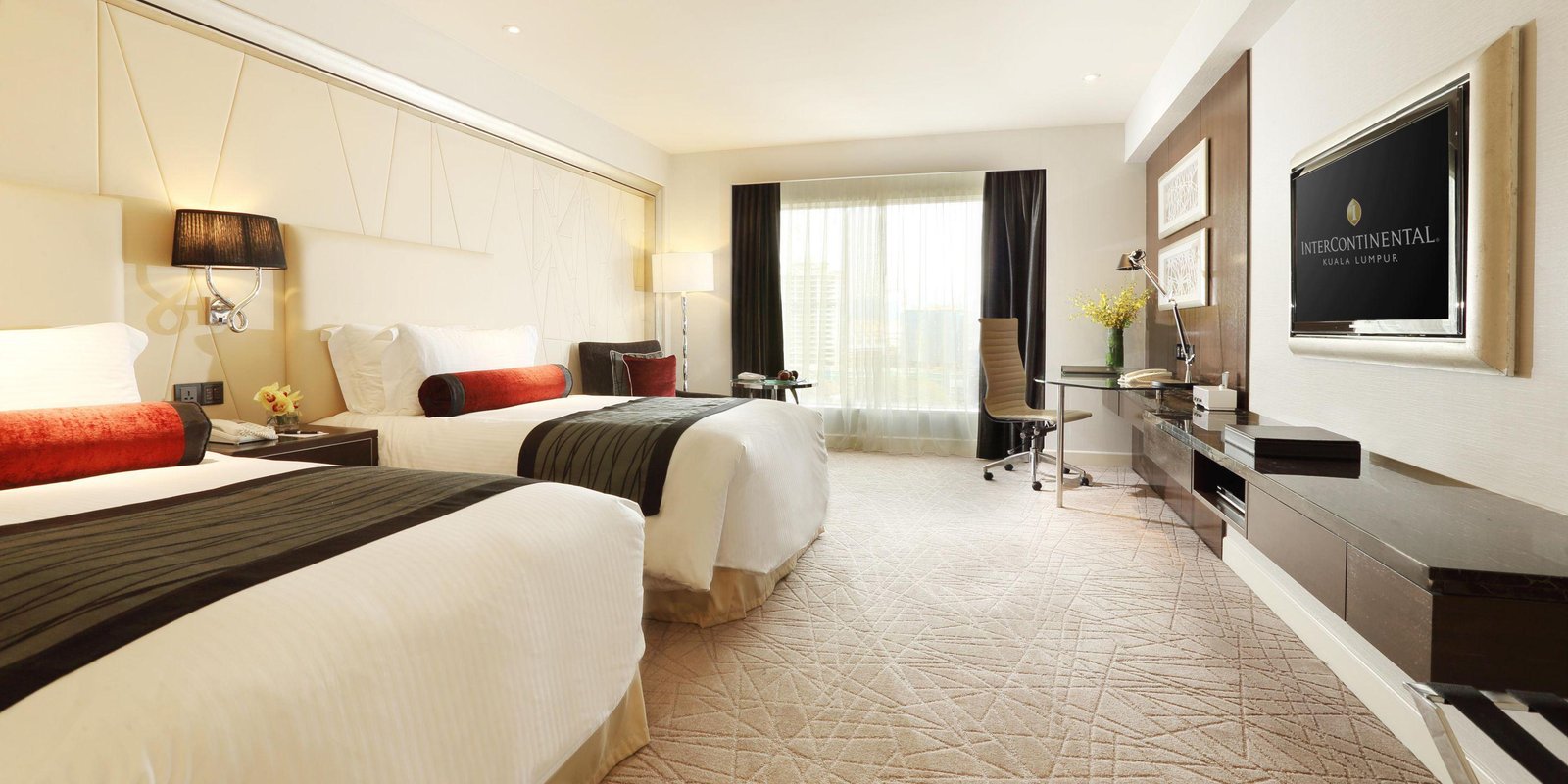
Lobby-grade visibility
Make public spaces work harder as communication and brand experience zones.

Transform lobby and public-area screens into branded communication assets that support arrival, wayfinding, promotions, guest information and campaign storytelling across the whole property.
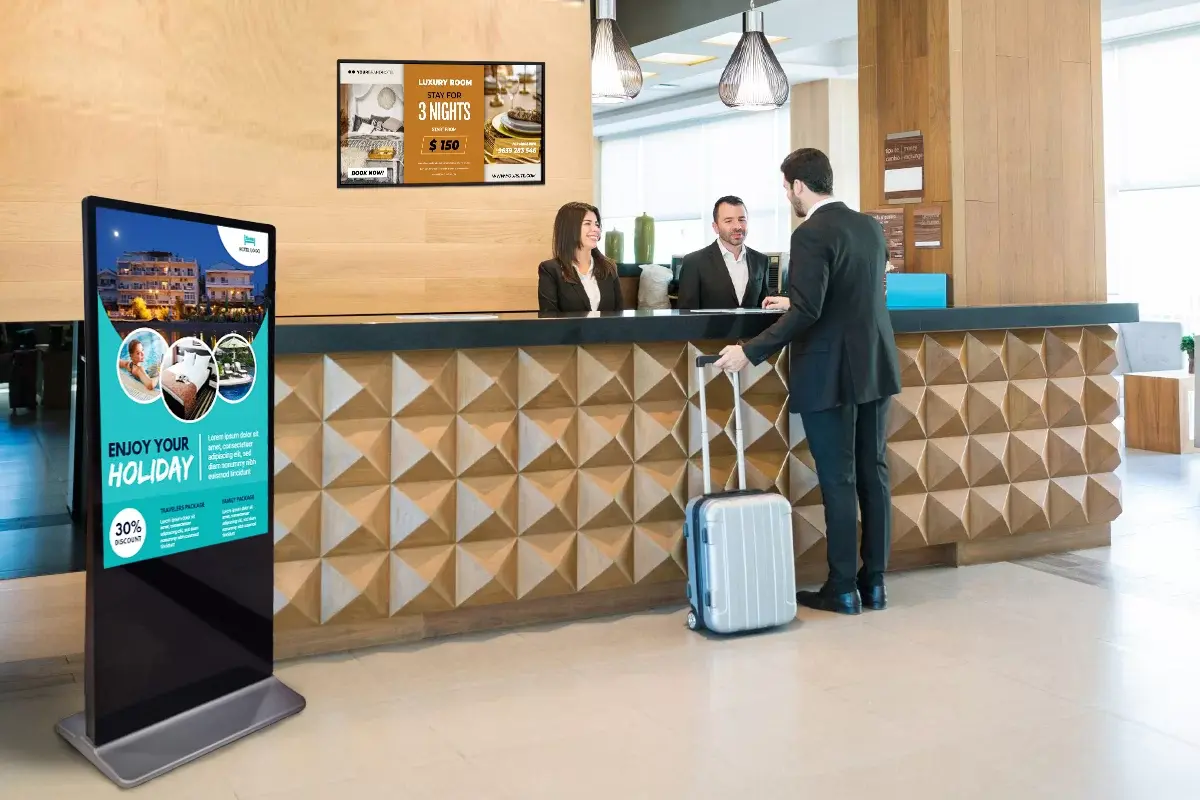
Make public spaces work harder as communication and brand experience zones.

Run welcome content, notices and promotions through one consistent media workflow.
This brief frames digital signage as a hotel communication system, not just a collection of screens, so teams can review zoning, publishing rhythm and public-area experience quality together.
Define what each lobby or public-space screen group should communicate and when.
Use centralized media scheduling to control update timing, asset reuse and brand consistency.
Segment screens by zone, audience and communication objective rather than by isolated device.
Make public spaces work harder as communication and brand experience zones.
Run welcome content, notices and promotions through one consistent media workflow.
These capability blocks explain what the solution should deliver commercially, operationally and technically when it is deployed as part of a real hospitality project.
Present branded hospitality messaging from the first touchpoint in reception and lobby zones.
Manage service announcements, promotions, event notices and QR-driven campaigns with one publishing routine.
Keep shared-area visual language aligned with guestroom TV, hotel information and service storytelling.
Avoid standalone signage islands by reusing one centralized hospitality media framework.
Public-area media decisions work best when management, marketing and delivery teams agree on message ownership, zone governance and campaign operations from the start.
Assess how the solution improves arrival experience, brand presentation and public-area communication quality.
Review how campaign scheduling, notice publishing and cross-zone communication can be operated through one routine.
Validate zone grouping, delivery infrastructure and display governance so the property avoids disconnected signage islands.
The architecture is structured around display endpoints, publishing control, scheduling logic and the delivery foundation that keeps all public-area screens coordinated.
Define what each lobby or public-space screen group should communicate and when.
Use centralized media scheduling to control update timing, asset reuse and brand consistency.
Segment screens by zone, audience and communication objective rather than by isolated device.
Keep public-space messaging linked to the same broader hotel communication strategy used elsewhere.
This stack explains how display hardware, content control, zone scheduling and distribution infrastructure should be split inside a property-scale signage deployment.
Professional signage projects start with zone logic, not only with screens: lobby, reception, elevator hall, restaurant and corridor displays all require different scheduling and content models.
The publishing core should be treated as an operational system with schedule control, content status and role-based approval rather than as a folder of media files.
Display devices should be managed in groups with known resolution, orientation, update policy and recovery behavior.
A polished signage deployment needs monitoring for asset delivery, schedule integrity and endpoint status so public-facing communication does not degrade silently.
The technical review focuses on screen grouping, publishing ownership, campaign override logic and the infrastructure dependencies behind synchronized public-area playback.
The topology shows how content moves from publishing control into delivery infrastructure and finally onto reception, lobby and public-area displays.
Organize templates, assets and campaign objects around zone logic rather than isolated screens.
Enforce schedule precedence, approval and publish windows in the CMS layer.
Distribute content by display group with defined cache behavior, orientation and runtime monitoring.
Validate the final public-area experience against zone-specific messaging and operational feedback.
A professional solution document should show what systems are involved, why they are connected, who owns each boundary and what must be validated before delivery.
These bullets define what the solution team should explicitly own in design, implementation and handover, so execution responsibility stays clear from the outset.
Professional delivery depends on measurable acceptance. These checks help turn the page from concept presentation into an implementation-oriented technical proposal.
This composition shows the practical layers typically required when a hotel wants signage to function as an operational communication asset.
CMS workflow for templates, campaigns, approval rules and schedule governance.
Managed player or IPTV endpoint grouping with known orientation, resolution and zone assignment.
Playback status, asset-delivery audit and screen-group recovery visibility for operations teams.
These items are common expansion directions that can be added when the project budget, timeline and integration boundary support a broader deployment.
Professional proposal pages should also state what is outside the current boundary, so commercial expectations and engineering responsibility stay clear from the beginning.
These recommendations help position the solution as a realistic project path rather than a generic concept presentation.
This gives commercial and technical stakeholders a clearer view of where the solution is strongest and most deployable.
Strong technical proposals should also state what must be true before delivery can succeed at the expected quality level.
These document outputs reflect the zone plans, publishing definitions and acceptance records commonly needed for lobby and public-area media projects.
Screen-group matrix, zone hierarchy, layout families and schedule precedence policy.
Draft/approval/publish process, emergency override rules and content ownership responsibilities.
Player grouping, sync validation, cache behavior checks and monitoring handover documentation.
These scenarios highlight where public-area communication creates the strongest brand and operational value for arrivals, wayfinding and campaigns.
Show services, property highlights and brand value in a polished hospitality presentation layer.
Display welcome notices, wayfinding, event messages and service promotions in guest-facing zones.
Coordinate timed promotions or seasonal messages across several public areas from one workflow.
The usual delivery path starts with zone planning and publishing rules, then moves into screen deployment, scheduling validation and content acceptance.
Map public-space communication goals by guest journey stage and zone type.
Organize content blocks for welcome media, notices, campaigns and service prompts.
Choose the display delivery path and management model that fits the property infrastructure.
Roll out with one publishing cadence and one operational ownership path across teams.
The available catalog is strongest on the underlying IPTV, server and content-delivery infrastructure that supports these display experiences.
Display endpoints used in reception, waiting zones and public areas to present branded messaging, wayfinding and campaign content.
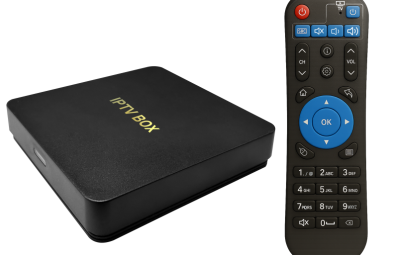
SKD8315 IPTV Android Set Top Box is a guestroom IPTV set top box. It is designed for guestrooms and hospitality endpoint scenarios where the property needs Andr...
View ProductCentral media, scheduling and campaign-control layers used to manage message timing, asset reuse and zone-specific publishing.
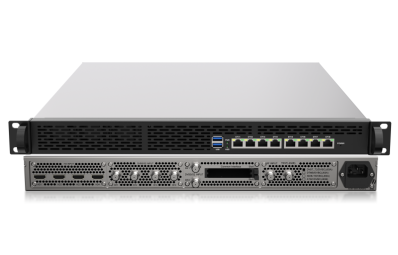
SKD7200N All-in-One Hotel IPTV Server and Streaming Gateway Device is a hotel IPTV streaming server. It is built for hospitality IPTV deployments that need sign...
View Product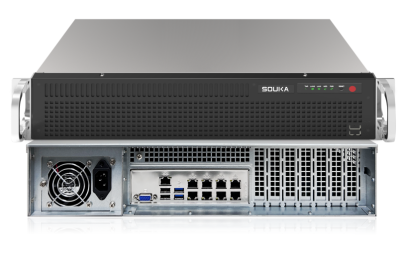
SKD3308M Hospitality VOD IPTV Streaming Server Support 100 HD Channels and 1000 Users is a hotel IPTV streaming server. It is built for hospitality IPTV deploym...
View ProductUnderlying server, gateway and IPTV infrastructure that keeps public-area content delivery stable, synchronized and scalable.
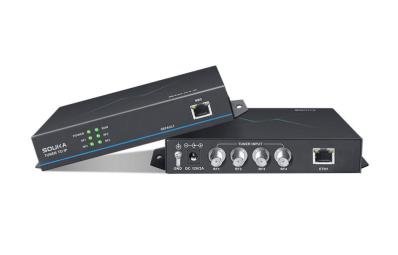
SKD2150 IP Modulator Tuner to IP Headend Systems for IPTV is a digital RF modulation platform. It is built for hospitality IPTV deployments that need signal acq...
View ProductShare your public-area zones, publishing needs, display estate and campaign goals. We can map the right scheduling core, delivery layer and display recommendation for the hotel.


By clicking the button, you are agreeing with our Term & Conditions
