
Scene control
Lighting, service mode and room experience aligned under one guest journey.

Build a coordinated in-room experience layer that connects TV interaction, room controls, guest service workflows and property communication into one operationally usable hospitality journey.
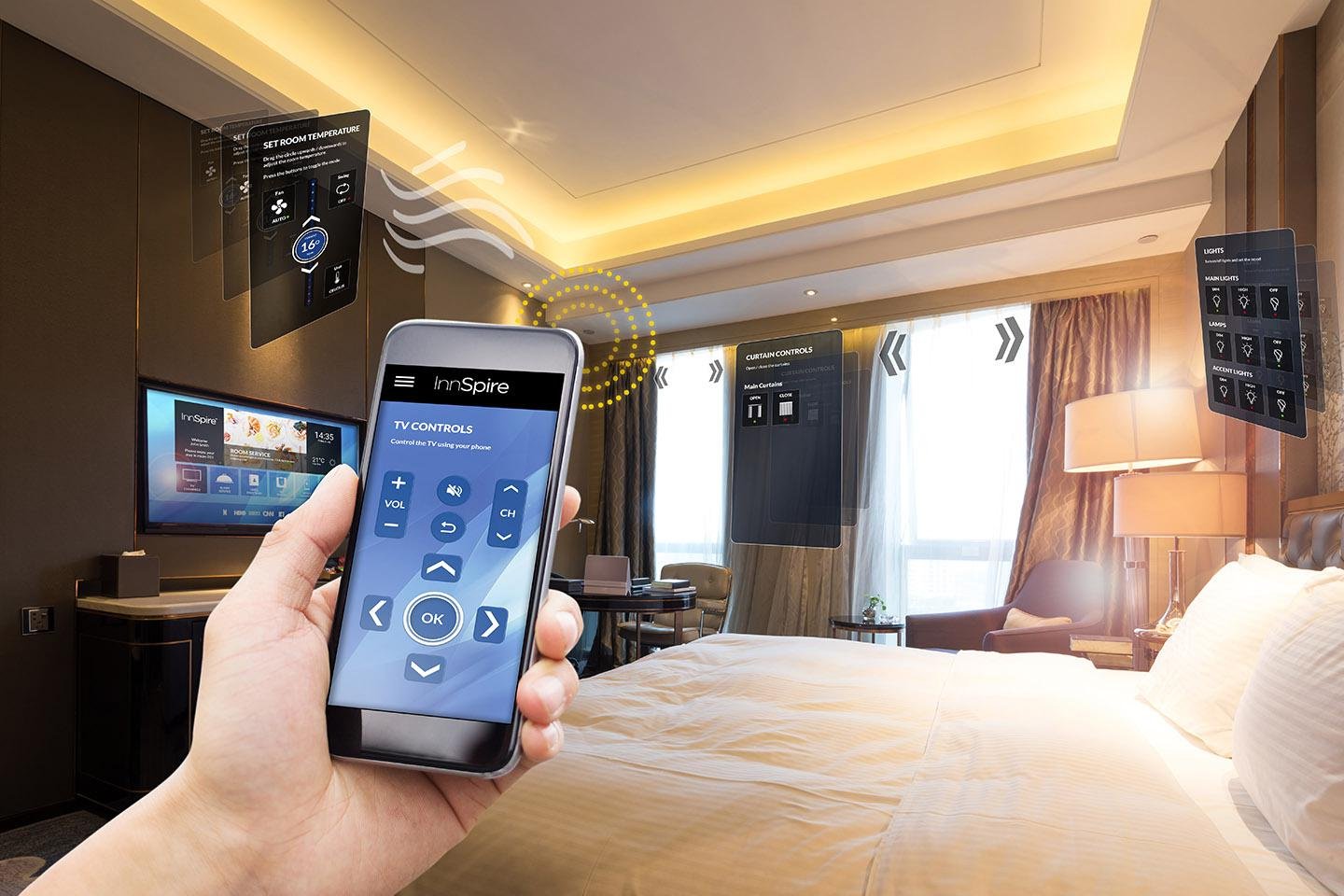
Lighting, service mode and room experience aligned under one guest journey.
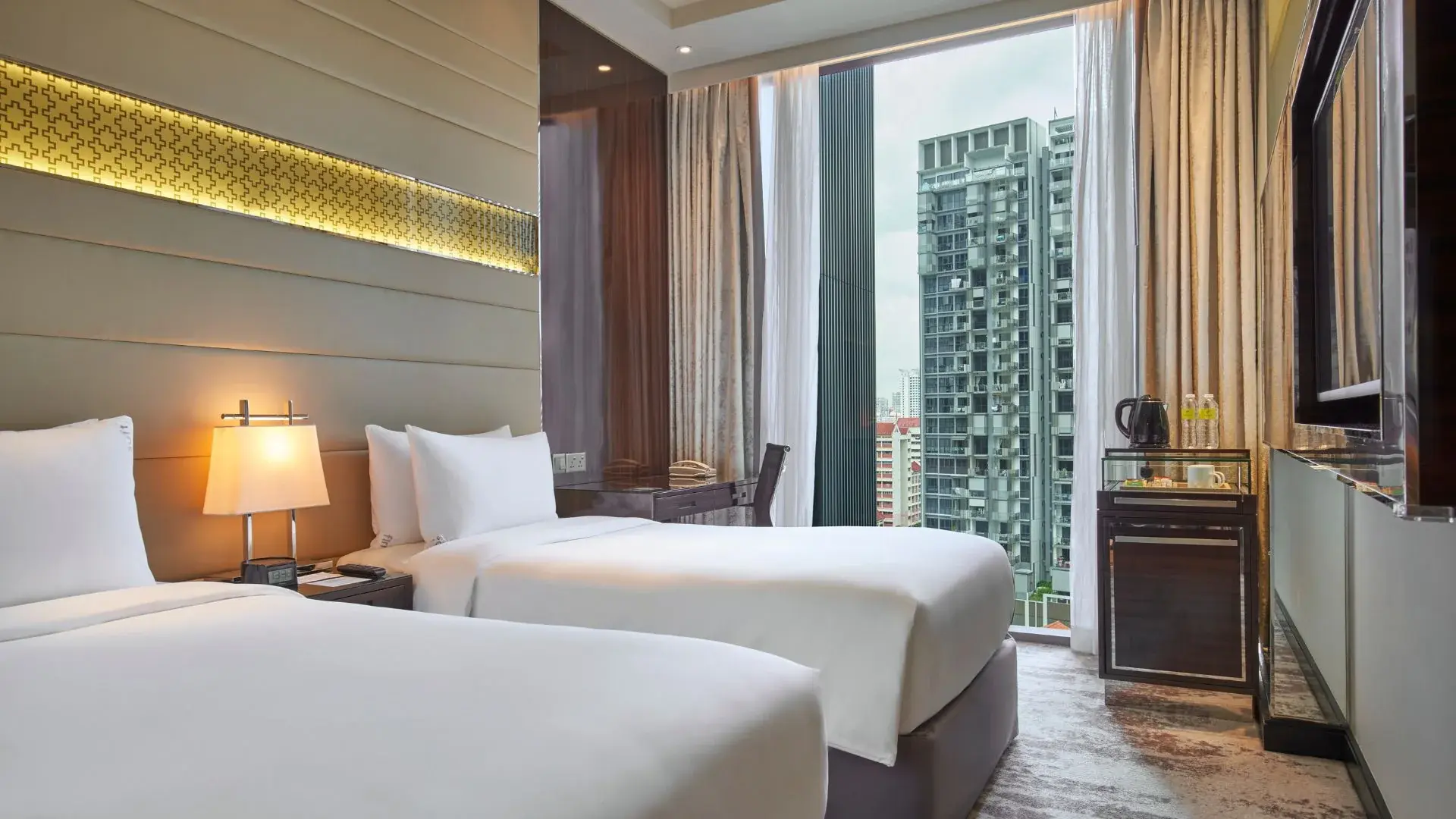
A branded experience that fits both renovation and new-build guestrooms.
This brief frames the guestroom solution as one coordinated service layer where TV interaction, room controls and PMS-aware service messaging need to operate as one hospitality experience.
TV interface, room-side interaction and guest prompts become one visible service layer.
PMS-linked identity, room status prompts and service workflows stay structured behind the interface.
Screens, notices and hospitality content are distributed centrally rather than maintained room by room.
Lighting, service mode and room experience aligned under one guest journey.
A branded experience that fits both renovation and new-build guestrooms.
These capability blocks explain what the solution should deliver commercially, operationally and technically when it is deployed as part of a real hospitality project.
Present welcome screens, room information, service requests and control entry points through one consistent guestroom interface.
Coordinate requests such as housekeeping, laundry, DND, checkout prompts and maintenance notices in ways hotel teams can actually operate.
Align boot screen, menu language, service options and promotional content with the hotel brand and room tier.
Support a practical path across mixed endpoint environments, renovation projects and staged rollout schedules.
Guestroom projects succeed when the commercial promise, service workflow and system handoff are reviewed together instead of being split across separate vendor conversations.
Review the solution in terms of brand consistency, guestroom upgrade value and the credibility of a room-scale digital experience standard.
Focus on how service prompts, room status logic and daily workflow handoffs will actually function after go-live.
Validate PMS mapping, room-state normalization, endpoint rollout logic and the practical commissioning path.
The architecture is organized around room-side interaction, hospitality service logic, orchestration middleware and delivery infrastructure so teams can review how the guestroom journey is actually sustained.
TV interface, room-side interaction and guest prompts become one visible service layer.
PMS-linked identity, room status prompts and service workflows stay structured behind the interface.
Screens, notices and hospitality content are distributed centrally rather than maintained room by room.
Engineering, operations and brand teams work from one deployment framework instead of fragmented tools.
This stack explains how room endpoints, PMS-linked logic, middleware orchestration and content delivery should be separated for a deployable multi-room hospitality rollout.
The guest-facing layer is usually built around hospitality TV or Android STB endpoints that render the welcome UI, service pages, room information and guided control entry points.
This layer maps PMS identity, occupancy status, room status, housekeeping signals and service-request events into one operating model that the room UI can consume safely.
Hotel-wide messaging, branding assets and room information templates should be centrally managed so service language stays consistent across all guestrooms.
Guestroom automation projects only stay stable when the endpoint network, service network and upstream interfaces are designed as separate operational domains.
The engineering view here focuses on PMS event handling, room-state logic, service workflow triggers and the controls that keep rollout templates stable across room types.
The topology follows how PMS context, room-service logic and display delivery move from the backend into the final guestroom interaction point.
Normalize guest identity, room status and service triggers before any guest-facing logic is published.
Apply orchestration, retries and visibility rules in one middleware boundary rather than inside endpoint templates.
Control templates, notices and brand assets centrally so room groups stay aligned during rollout.
Render the final experience on managed endpoints with room-type aware behavior and stable maintenance ownership.
A professional solution document should show what systems are involved, why they are connected, who owns each boundary and what must be validated before delivery.
These bullets define what the solution team should explicitly own in design, implementation and handover, so execution responsibility stays clear from the outset.
Professional delivery depends on measurable acceptance. These checks help turn the page from concept presentation into an implementation-oriented technical proposal.
This composition shows the typical building blocks needed when a property wants one credible guestroom digital experience rather than isolated in-room devices.
Hospitality TV or Android STB endpoints for guest UI, notices and service interaction.
Middleware for PMS mapping, room-state rules, service orchestration and message governance.
Central content and template distribution with managed publishing and cache policy.
These items are common expansion directions that can be added when the project budget, timeline and integration boundary support a broader deployment.
Professional proposal pages should also state what is outside the current boundary, so commercial expectations and engineering responsibility stay clear from the beginning.
These recommendations help position the solution as a realistic project path rather than a generic concept presentation.
This gives commercial and technical stakeholders a clearer view of where the solution is strongest and most deployable.
Strong technical proposals should also state what must be true before delivery can succeed at the expected quality level.
These deliverables reflect the design packs, mapping schedules and commissioning records normally required to hand over a room-scale automation project with confidence.
Room-type rollout plan, endpoint grouping logic, VLAN segmentation notes and floor-level topology view.
PMS field map, room-state rules, service-event handoff logic and exception-handling matrix.
Pilot checklist, sample-room validation records, template publish procedure and maintenance ownership notes.
These scenarios highlight where the solution is most valuable when a hotel wants guestrooms to feel more coordinated, service-aware and brand-consistent.
Upgrade the perceived value of guest rooms with a more complete digital hospitality experience.
Keep service logic and guest prompts consistent while infrastructure is upgraded in phases.
Reduce friction between front desk, housekeeping and engineering through clearer room-side workflows.
The sequence below follows the usual path from room standards and PMS mapping into staged rollout, commissioning and handover.
Clarify room types, control scope, interface expectations and service actions before solution locking.
Map the relationship between TV UX, room control devices, PMS information and service processes.
Prepare visual interface language, messaging rules and operational handoff logic for rollout.
Launch by room tier or project phase with one coordinated experience and one maintenance path.
These products are commonly used as the visible endpoint, server and media-delivery foundation behind guestroom automation projects.
Endpoint devices that render the in-room interface, service prompts and guest-facing control experience at the room edge.
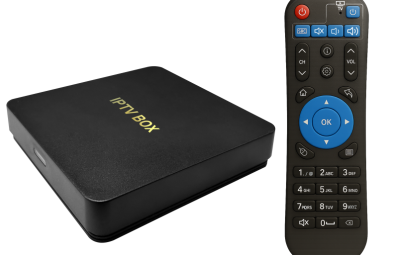
SKD8315 IPTV Android Set Top Box is a guestroom IPTV set top box. It is designed for guestrooms and hospitality endpoint scenarios where the property needs Andr...
View ProductServer and orchestration layers responsible for PMS-linked logic, service workflow handling and centralized interface governance.
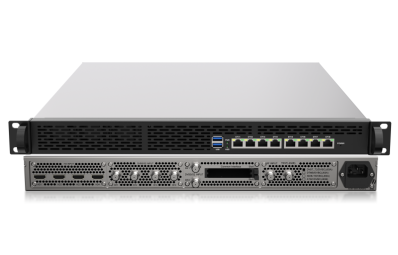
SKD7200N All-in-One Hotel IPTV Server and Streaming Gateway Device is a hotel IPTV streaming server. It is built for hospitality IPTV deployments that need sign...
View Product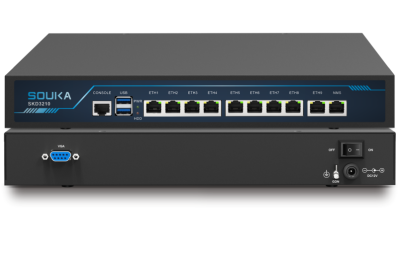
SKD3210 IPTV Server for Hotels Support 200 Users 50 HD Channels is a hotel IPTV streaming server. It is built for hospitality IPTV deployments that need signal...
View ProductHeadend, gateway and encoding layers that keep content, notices and room-side media delivery stable across the property.
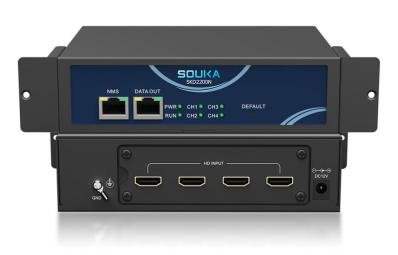
SKD2210 4 Channel HD Encoder for IPTV System is a multi-channel encoder platform. It is built for hospitality IPTV deployments that need signal acquisition, str...
View ProductShare your room types, PMS environment, control targets and service workflow expectations. We can then map the right room-side architecture, integration scope and product layers for the project.


By clicking the button, you are agreeing with our Term & Conditions
