
Central content control
Operate channel, signage and on-screen promotion from one managed content layer.

Create a hospitality-grade content and media service stack for live TV, catch-up, VOD, hotel promotions and guest-facing screen experiences without building a second media platform.
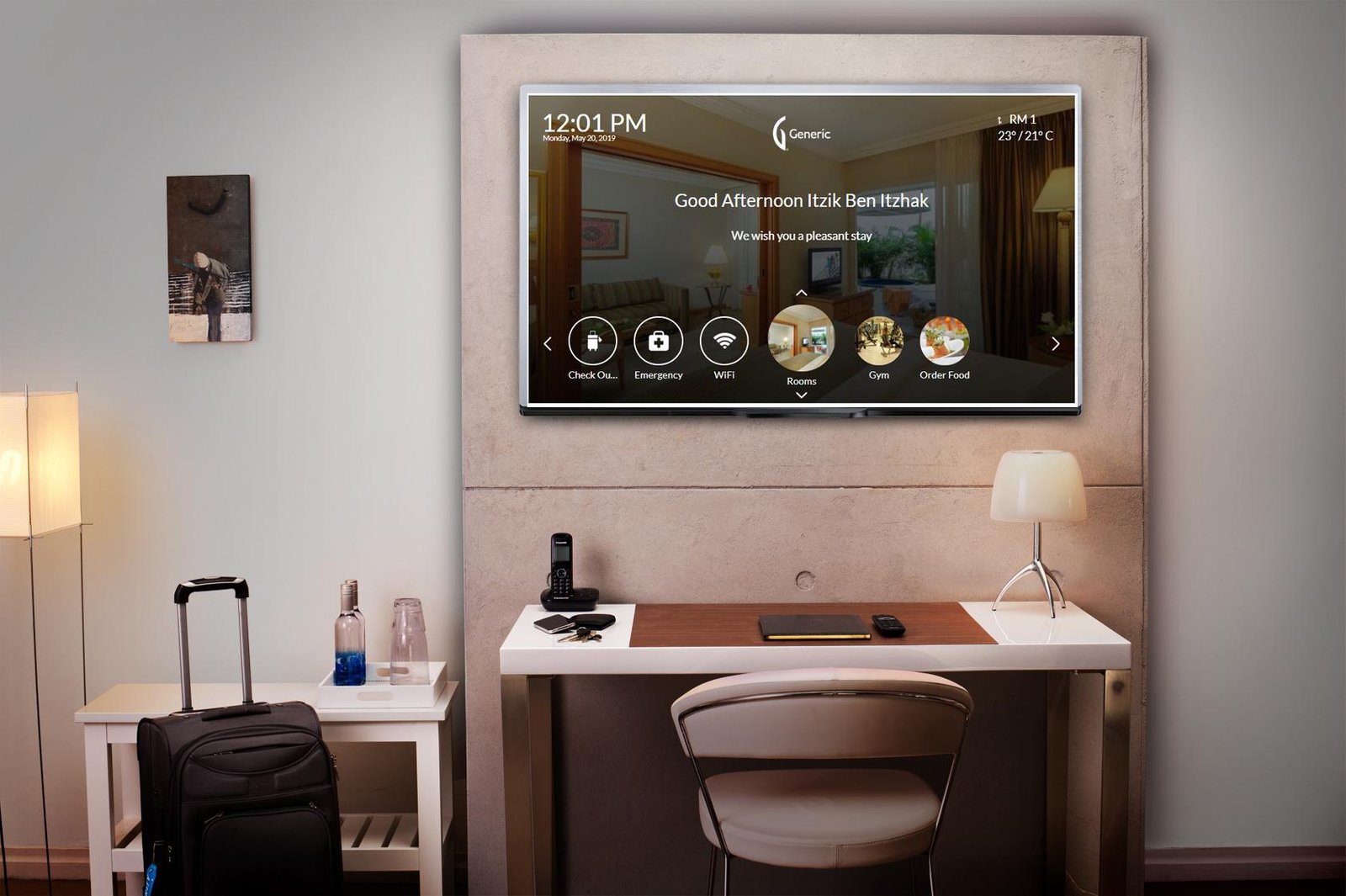
Operate channel, signage and on-screen promotion from one managed content layer.
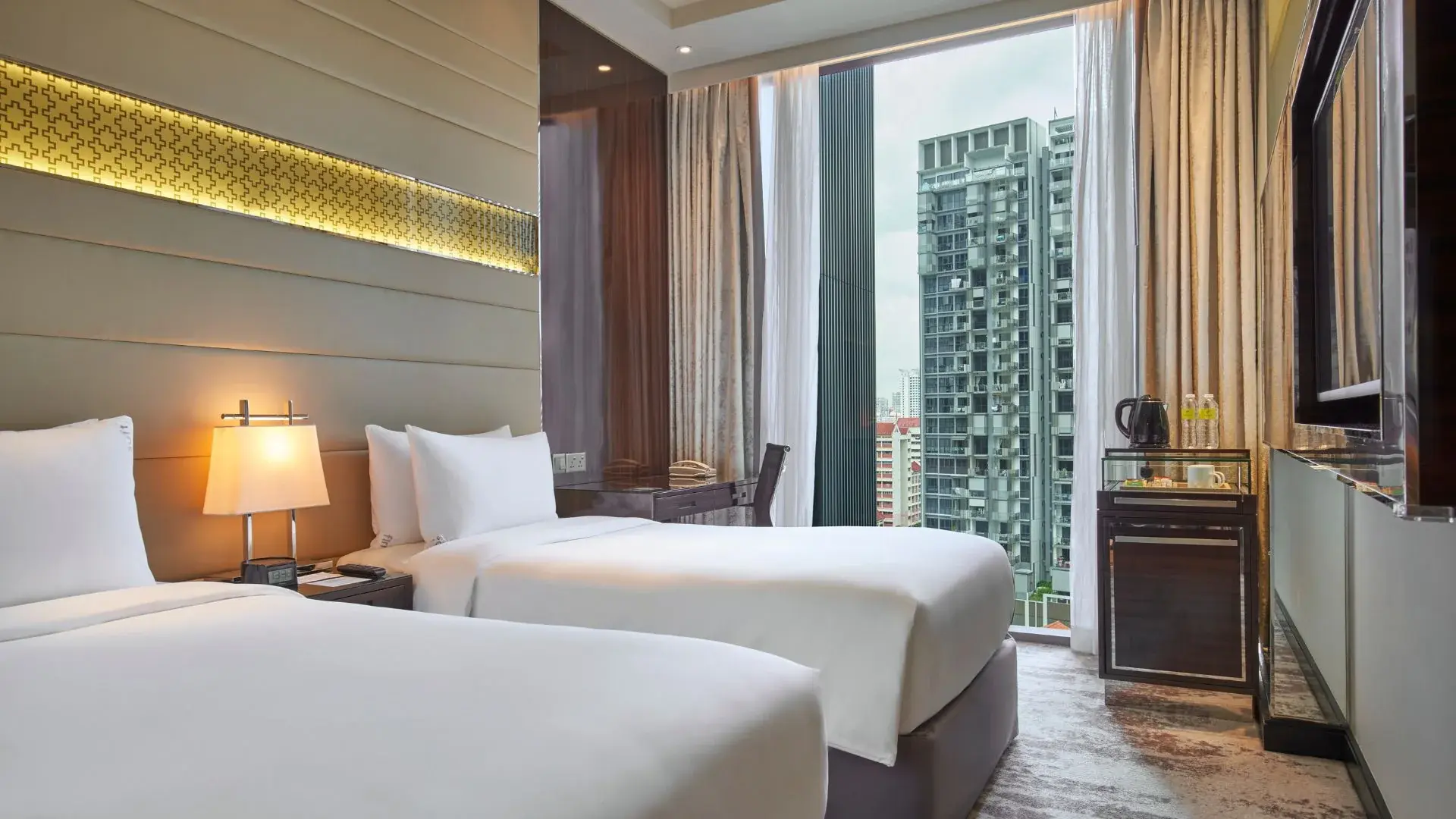
Turn basic TV delivery into a richer branded in-room experience.
This brief positions the IPTV and VOD solution as a managed hospitality media platform where headend scope, publishing control and room-side playback quality all need to be reviewed together.
Satellite, cable, terrestrial or IP sources are collected and organized into a manageable headend workflow.
IPTV server, VOD service and media logic coordinate channels, content and user-facing availability.
Guestroom terminals, Android STBs and hotel TVs present the final hospitality viewing experience.
Operate channel, signage and on-screen promotion from one managed content layer.
Turn basic TV delivery into a richer branded in-room experience.
These capability blocks explain what the solution should deliver commercially, operationally and technically when it is deployed as part of a real hospitality project.
Normalize channel sources, convert signals and deliver them to a stable hospitality IPTV environment.
Build VOD catalog, playback rules and content grouping into a commercial-grade guest entertainment flow.
Schedule welcome content, hotel promotions and service notices without breaking the core UX.
Support project teams that need one platform for multi-room deployments, segmented packages and content lifecycle management.
Media projects need a shared view between ownership, content operations and integrators so the system is judged by service reliability and brand usefulness, not only by channel count.
Evaluate the solution as a revenue-supporting and brand-building media layer rather than only a TV replacement project.
Review how channels, VOD, promotions and publishing workflows will be managed without ongoing engineering dependency.
Confirm headend scope, signal conversion logic, endpoint compatibility and service capacity planning before rollout.
The architecture separates signal intake, media control, publishing logic and playback endpoints so teams can review how the property will actually operate hotel TV and VOD services.
Satellite, cable, terrestrial or IP sources are collected and organized into a manageable headend workflow.
IPTV server, VOD service and media logic coordinate channels, content and user-facing availability.
Guestroom terminals, Android STBs and hotel TVs present the final hospitality viewing experience.
Marketing, operations and engineering can publish updates through one controlled process.
This stack is written around headend readiness, streaming control, rights-sensitive content publishing and room-side playback concurrency in a real hospitality environment.
A hospitality IPTV project starts at the headend: satellite, terrestrial, HDMI, SDI or existing IP feeds must be normalized before hotel service logic can be applied.
The central server layer is responsible for channel management, VOD availability, stream routing, session control and hotel-specific playback services.
This layer governs hotel branding, EPG, playback grouping, on-screen campaigns and the publishing model used by operations or marketing teams.
Final delivery depends on the access network: multicast, IGMP policy, switch behavior, endpoint cache and room playback behavior have to be engineered together.
The technical control layer covers source onboarding, publishing workflows, endpoint compatibility and the operational boundaries between hotel teams and the media platform.
The topology traces how broadcast or media sources enter the headend, move through service control and finally reach guestroom playback endpoints.
Verify source type, rights and redundancy strategy before assigning tuner, gateway or encoder resources.
Normalize service IDs, signal paths and conversion rules inside a controlled headend design.
Run channel, VOD and content logic through the streaming platform with explicit capacity assumptions.
Deliver the final hospitality media experience through managed endpoints and IGMP-aware access networks.
A professional solution document should show what systems are involved, why they are connected, who owns each boundary and what must be validated before delivery.
These bullets define what the solution team should explicitly own in design, implementation and handover, so execution responsibility stays clear from the outset.
Professional delivery depends on measurable acceptance. These checks help turn the page from concept presentation into an implementation-oriented technical proposal.
This composition turns the page into a practical media proposal by showing the usual layers behind hotel IPTV, VOD and branded content services.
Gateway, tuner and encoder stack for source acquisition, normalization and service-ID governance.
IPTV/VOD server layer with channel control, playback handling and storage policy.
IGMP-aware access network plus guestroom endpoints and screen-side playback devices.
These items are common expansion directions that can be added when the project budget, timeline and integration boundary support a broader deployment.
Professional proposal pages should also state what is outside the current boundary, so commercial expectations and engineering responsibility stay clear from the beginning.
These recommendations help position the solution as a realistic project path rather than a generic concept presentation.
This gives commercial and technical stakeholders a clearer view of where the solution is strongest and most deployable.
Strong technical proposals should also state what must be true before delivery can succeed at the expected quality level.
These output packages reflect the documents and definition sets generally needed to deliver a stable hotel media system with controlled content operations.
Source inventory, tuner/gateway allocation, signal-flow drawing and redundancy strategy definition.
Concurrent user assumptions, HD channel sizing, multicast policy and storage retention model.
Channel verification checklist, endpoint test records, content workflow guide and monitoring handover notes.
These scenarios show where the media stack creates the most value when the hotel wants TV service, VOD and branded communication to run through one platform.
Replace fragmented TV infrastructure with a unified media and guest engagement platform.
Introduce richer content options for higher-value room tiers and longer-stay guests.
Use the TV interface as a live communication surface for hotel messaging and commercial campaigns.
The delivery path usually starts with source and headend definition, then moves into publishing logic, endpoint grouping and playback validation.
Audit current channel sources, rights constraints, endpoint types and room segmentation.
Define media stack boundaries across live TV, VOD, EPG, playback and promotional overlays.
Deploy service core, content workflows and user-facing experience rules together.
Train hotel teams to operate content updates and ongoing media scheduling without engineering dependence.
These products cover the major layers from source acquisition and signal conversion to IPTV service delivery and guestroom playback.
Guest-facing playback devices that render live TV, VOD, hotel promotions and branded media experiences at the final viewing point.
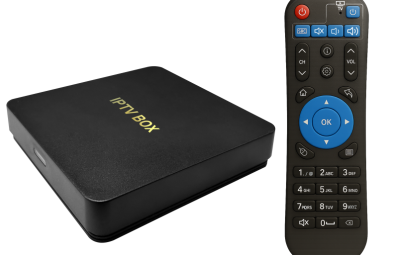
SKD8315 IPTV Android Set Top Box is a guestroom IPTV set top box. It is designed for guestrooms and hospitality endpoint scenarios where the property needs Andr...
View ProductServer and control layers that manage channel logic, VOD availability, content grouping and hospitality media operations.
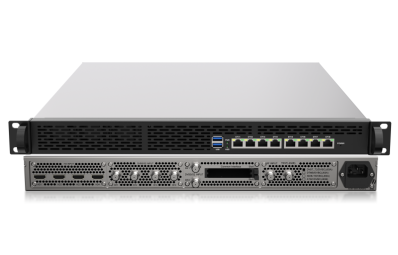
SKD7200N All-in-One Hotel IPTV Server and Streaming Gateway Device is a hotel IPTV streaming server. It is built for hospitality IPTV deployments that need sign...
View Product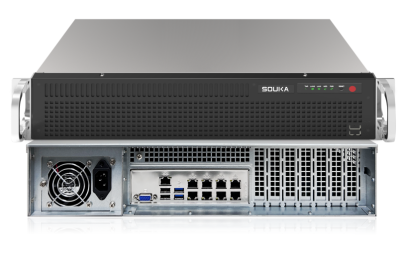
SKD3308M Hospitality VOD IPTV Streaming Server Support 100 HD Channels and 1000 Users is a hotel IPTV streaming server. It is built for hospitality IPTV deploym...
View ProductGateway, encoder, modulator and headend components that ingest source signals and convert them into a stable hospitality distribution path.
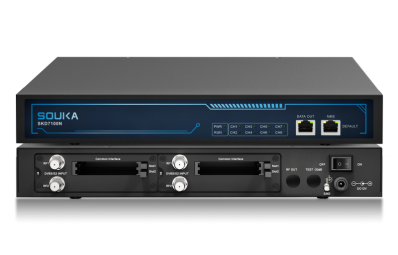
SKD7150P 4 DVB-S/S2 to IPTV Gateway with 4 CAM Cards is a broadcast-to-IP gateway. It is built for hospitality IPTV deployments that need signal acquisition, st...
View Product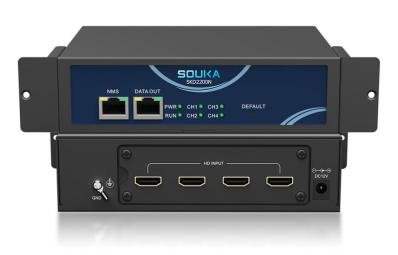
SKD2210 4 Channel HD Encoder for IPTV System is a multi-channel encoder platform. It is built for hospitality IPTV deployments that need signal acquisition, str...
View Product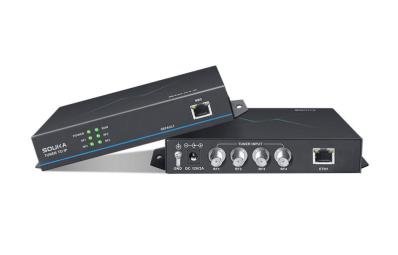
SKD2150 IP Modulator Tuner to IP Headend Systems for IPTV is a digital RF modulation platform. It is built for hospitality IPTV deployments that need signal acq...
View ProductShare your source types, room count, TV environment, branding goals and operating model. We can align the right headend scope, media platform layer and endpoint recommendation for the property.


By clicking the button, you are agreeing with our Term & Conditions
