
Efficiency-visible experience
Operational improvement works best when guests and staff both receive clear guidance.

Support modernization and efficiency-focused hospitality projects with a centrally managed communication layer for notices, service prompts, renovation messaging and infrastructure transition periods.

Operational improvement works best when guests and staff both receive clear guidance.
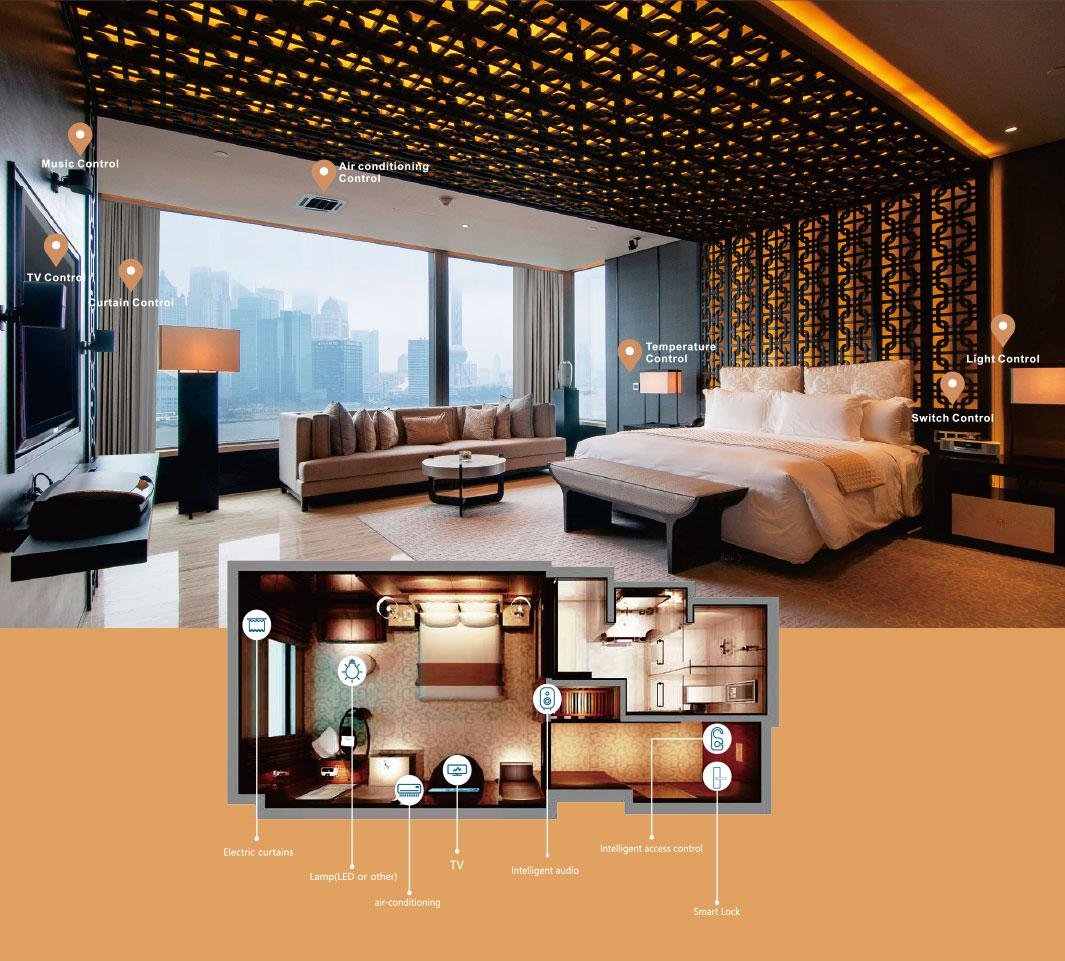
Use the screen layer to communicate change, maintenance windows and service expectations clearly.
This brief frames the solution as a controlled communication layer for renovation, transition or efficiency programs where notices need to stay clear, timely and operationally governed.
Define which messages matter during efficiency upgrades, infrastructure changes or staged deployment periods.
Use server, gateway and media infrastructure to keep updates managed and consistent.
Deliver notices through guestrooms, shared areas and operational screens using one governance model.
Operational improvement works best when guests and staff both receive clear guidance.
Use the screen layer to communicate change, maintenance windows and service expectations clearly.
These capability blocks explain what the solution should deliver commercially, operationally and technically when it is deployed as part of a real hospitality project.
Publish room-side and public-area updates related to operational change, maintenance or efficiency programs.
Keep the guest experience clearer when projects involve phased renovation, infrastructure updates or service adjustments.
Reuse centralized media and notice control rather than introducing separate communication tools for every project.
Support properties modernizing older environments while still maintaining stable daily communication.
These projects need alignment between asset teams, site operations and delivery partners so messaging remains useful during phased change instead of becoming ad hoc guest communication.
Review how modernization messaging supports renovation clarity, operational continuity and guest communication quality.
Focus on message ownership, rollout sequencing and how notices stay controlled during staged infrastructure changes.
Validate transition-stage infrastructure, message distribution pathways and the boundary between communication scope and site engineering scope.
The architecture is structured around message endpoints, operational publishing control and the transition infrastructure that keeps communication stable during phased upgrades.
Define which messages matter during efficiency upgrades, infrastructure changes or staged deployment periods.
Use server, gateway and media infrastructure to keep updates managed and consistent.
Deliver notices through guestrooms, shared areas and operational screens using one governance model.
Maintain clarity for guests and teams even while broader systems are being improved.
This stack focuses on notice governance, staged publishing, endpoint targeting and the infrastructure needed when old and new site systems coexist.
Modernization and efficiency projects usually involve events from BMS, EMS, engineering schedules, maintenance plans or phased renovation activities that need guest-safe communication.
This layer decides when an infrastructure or efficiency event becomes a guest or staff notice, where it appears and how long it remains visible.
Hotels need one communication layer that can surface the same modernization program across guestrooms, public areas and selected operational displays without manual duplication.
The technical value of this kind of project depends on governance: who owns messages, who approves them and how teams confirm that updates actually reached the target zones.
The engineering view covers message ownership, phase-based targeting, infrastructure transition boundaries and the validation needed before guest-facing notices are automated.
The topology summarizes how approved operational messages move from the control layer through transition infrastructure into the final communication endpoints.
Filter engineering or maintenance events into approved publishable states before exposure to guest-facing channels.
Apply rules, approval and expiry logic centrally so modernization notices stay controlled.
Publish messages across guestrooms and public areas through one governed distribution layer.
Confirm that final endpoints receive the right phase-specific notice with audit visibility by zone.
A professional solution document should show what systems are involved, why they are connected, who owns each boundary and what must be validated before delivery.
These bullets define what the solution team should explicitly own in design, implementation and handover, so execution responsibility stays clear from the outset.
Professional delivery depends on measurable acceptance. These checks help turn the page from concept presentation into an implementation-oriented technical proposal.
This composition shows the practical building blocks required when a hotel wants modernization communication to be managed like a system instead of a temporary workaround.
Approved engineering, BMS/EMS or maintenance event mapping with publishable communication states.
Zone targeting, expiry logic, occupancy-aware visibility and approval governance.
Guestroom, public-area and selected operational display distribution with audit reporting.
These items are common expansion directions that can be added when the project budget, timeline and integration boundary support a broader deployment.
Professional proposal pages should also state what is outside the current boundary, so commercial expectations and engineering responsibility stay clear from the beginning.
These recommendations help position the solution as a realistic project path rather than a generic concept presentation.
This gives commercial and technical stakeholders a clearer view of where the solution is strongest and most deployable.
Strong technical proposals should also state what must be true before delivery can succeed at the expected quality level.
These outputs reflect the phase schedules, targeting matrices and governance records commonly needed to deliver controlled transition communication.
Project-phase zone plan, publishable event classes and audience/visibility mapping rules.
Expiry logic, override behavior, approval boundary and operational governance checklist.
Zone delivery checks, publish log review model, recurring template library and ownership handover notes.
These scenarios show where a managed communication layer is most useful during refurbishment, efficiency upgrades and staged infrastructure programs.
Manage notices and expectations when infrastructure upgrades affect guest or staff areas.
Use screens and service messaging to reinforce modernization initiatives across the property.
Bridge old and new environments with one stable information-distribution layer.
The typical sequence starts with message governance and phase planning, then moves into targeting setup, dry runs and operational release.
Clarify which operational messages, project phases and guest impacts need central visibility.
Define the distribution path across room screens, public areas and any support endpoints.
Select server, gateway and delivery infrastructure based on current and future deployment stages.
Operate the communication layer as part of the broader modernization program rather than a side tool.
Available products currently support the screen, server and distribution side of modernization projects rather than direct building-energy control hardware.
Centralized service layers used to govern notices, message scheduling and communication rules across guestrooms and shared areas.
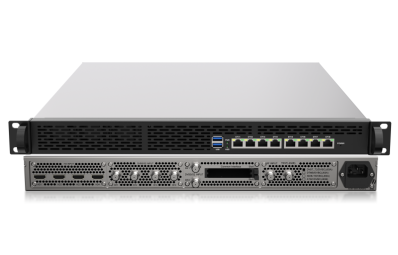
SKD7200N All-in-One Hotel IPTV Server and Streaming Gateway Device is a hotel IPTV streaming server. It is built for hospitality IPTV deployments that need sign...
View Product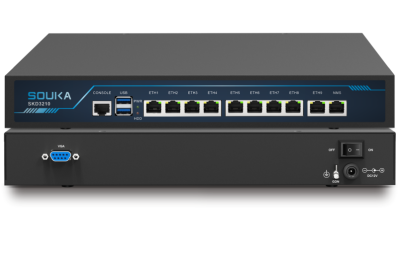
SKD3210 IPTV Server for Hotels Support 200 Users 50 HD Channels is a hotel IPTV streaming server. It is built for hospitality IPTV deployments that need signal...
View ProductGateway, server and transport components that support staged information delivery while older and newer systems coexist.
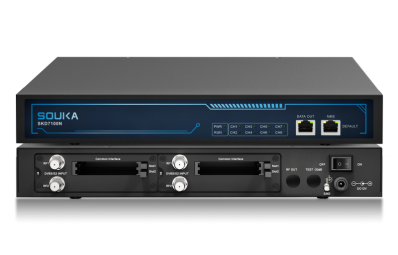
SKD7150P 4 DVB-S/S2 to IPTV Gateway with 4 CAM Cards is a broadcast-to-IP gateway. It is built for hospitality IPTV deployments that need signal acquisition, st...
View Product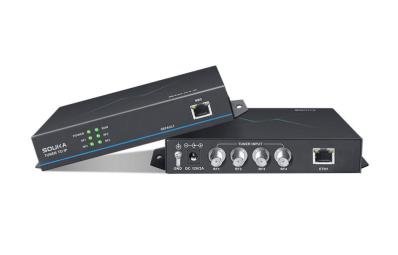
SKD2150 IP Modulator Tuner to IP Headend Systems for IPTV is a digital RF modulation platform. It is built for hospitality IPTV deployments that need signal acq...
View ProductShare your project phases, affected zones, guest communication needs and site constraints. We can outline the right message-control model, delivery infrastructure and rollout boundary for the program.


By clicking the button, you are agreeing with our Term & Conditions
