
A project reference on how Huazhu Luxury Qiaojia Hotel structured smart hotel deployment around guest experience, interface discipline, and launch readiness.
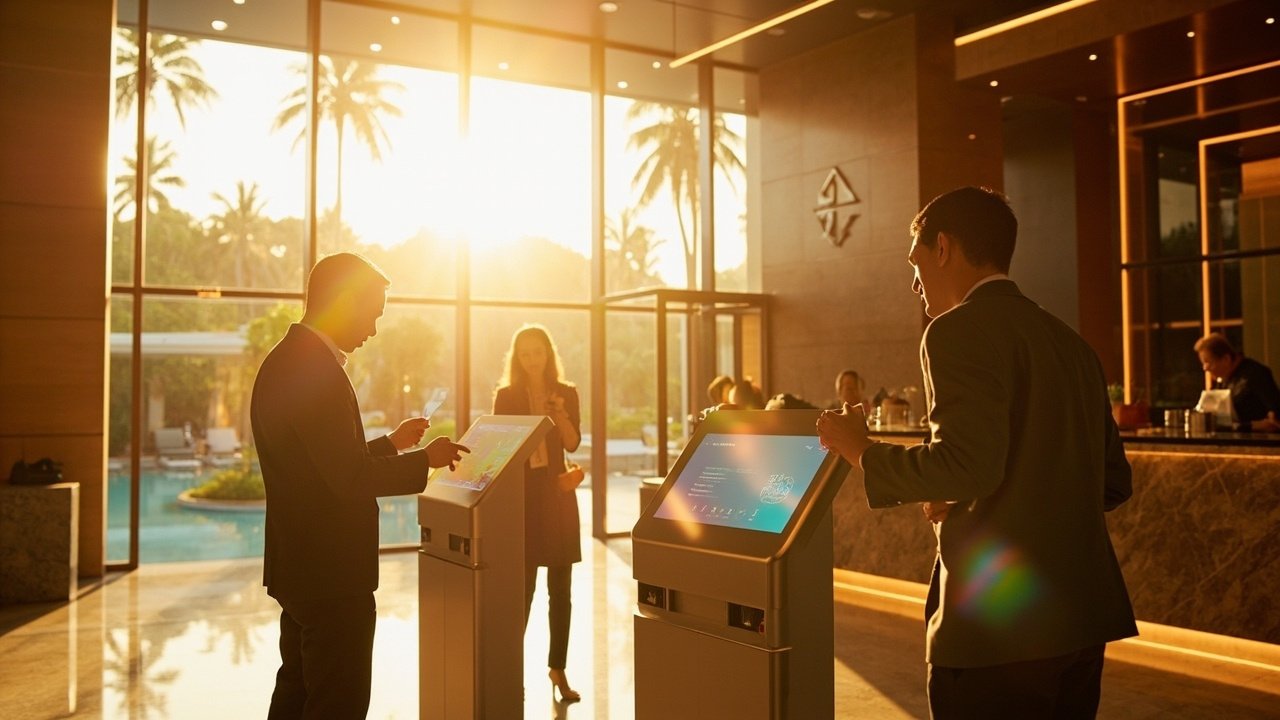
Huazhu Luxury Qiaojia Hotel stands out as a useful smart hotel deployment reference because the project appears to have been shaped by delivery discipline rather than feature accumulation. In premium hospitality environments, that distinction matters. Many deployments look ambitious at the proposal stage, but only a smaller number reach handover with guest experience, technical consistency, and operator usability still aligned. This case is useful precisely because it frames smart hotel delivery as an execution model, not just a technology package.
For hotel owners, operators, and consultants, the reference demonstrates a familiar challenge. A premium property wants a room environment that feels polished, digitally current, and easy for guests to use. At the same time, the operating team needs configuration control, reliable content management, and a support model that engineering can realistically maintain after launch. Projects succeed when those two ambitions are handled together rather than separated into “design” and “technical” conversations.
Huazhu Luxury Qiaojia Hotel required a guest-facing digital environment that could support brand presentation and room-side convenience without introducing hidden delivery complexity. That meant the system scope had to be more than visually coherent; it had to be implementable. The value of the reference lies in the way room experience, operator control, and commissioning sequence were treated as one package.
In many hospitality projects, content presentation, room-side interaction, and deployment method drift apart. The result is a property that looks advanced during acceptance but becomes difficult to standardize or support later. This reference is useful because it shows a stronger relationship between the technical model and the operational model.

The project appears to have organized its digital scope around the room as the core hospitality touchpoint. That includes in-room presentation, selected service-access paths, and room-side system interaction that can be understood by guests without friction. The lesson here is not that every premium hotel needs the same features. It is that the room experience should be defined as an integrated environment, not as separate device layers added by different suppliers.
When a deployment treats IPTV, control interfaces, messaging logic, and room-side service interaction as one standard, the property gains more than visual consistency. It gains cleaner acceptance criteria, easier operator training, and a stronger basis for future updates. That is especially important in luxury environments where inconsistency is noticed immediately by both guests and staff.
Another reason this project matters is its implied emphasis on phased confirmation. Instead of relying on late-stage correction after wide deployment, the reference points to a more disciplined approach in which room standards, interface assumptions, and implementation sequencing were reviewed in a controlled way. This is one of the most valuable habits in hospitality delivery because it reduces uncertainty when the project enters its most schedule-sensitive phase.
Launch readiness depends on more than installation completion. Hotels need content logic that is ready for real use, systems that respond consistently, and documents that support handover rather than trail behind it. Projects like this are useful because they highlight that commissioning quality is not an isolated event. It is the outcome of earlier discipline in architecture, standards, and sequence planning.
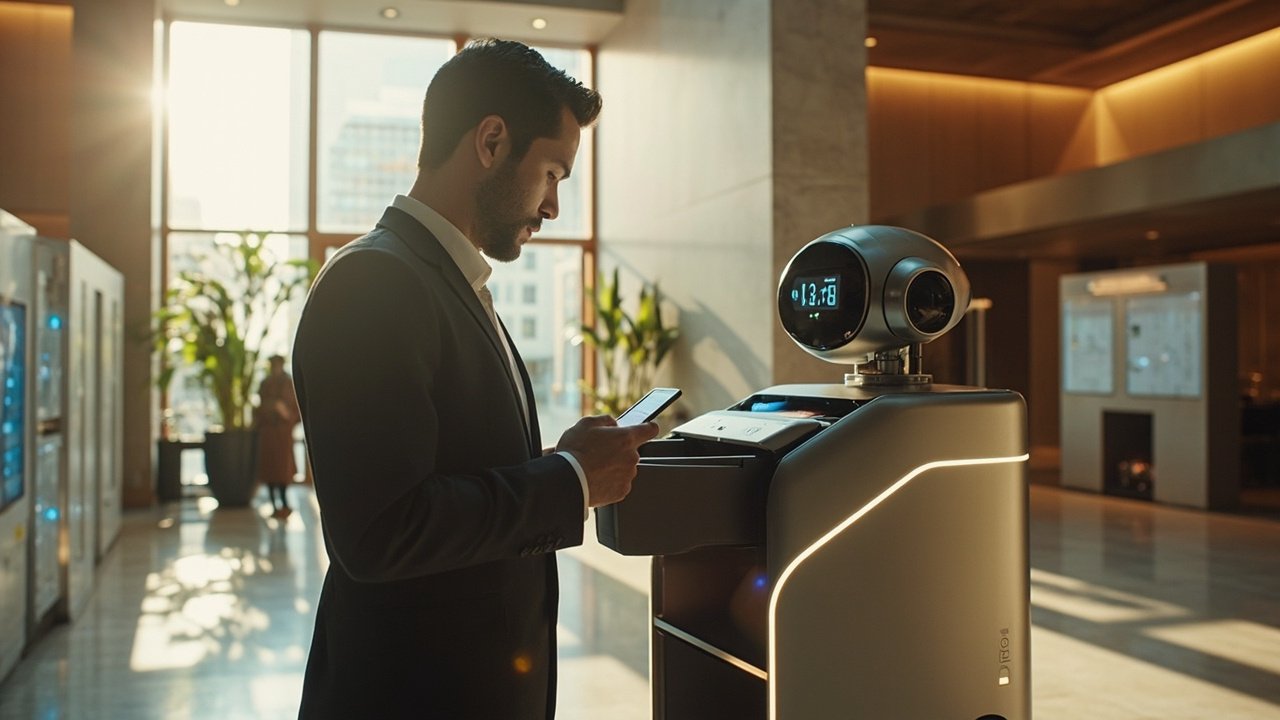
For owners, the case reinforces the idea that hospitality technology should be evaluated not only by subsystem capability but also by delivery maturity. A project with better interface control, documentation logic, and operational fit usually creates stronger asset value than a project with more disconnected features. That is especially true for premium hotels where guest perception and post-opening stability both matter.
For integrators and consultants, the case is a reminder that a credible project reference should show how technical ambition was translated into site-ready execution. The most useful references are not the ones with the longest equipment list. They are the ones that demonstrate how room experience, implementation control, and long-term support were kept in balance.
Huazhu Luxury Qiaojia Hotel is best read as a deployment reference for hospitality teams that want digital quality without sacrificing launch control. Its value comes from how the project appears to have aligned guest presentation, room-side coordination, and delivery discipline into one coherent program. That is the kind of reference the market needs more of, because it reflects how strong smart hotel projects are actually delivered.

 Superadmin ZHANG
May 04, 2025
 Superadmin ZHANG
May 04, 2025


By clicking the button, you are agreeing with our Term & Conditions


