
A retrofit project reference showing how Shanwei Galaxy Bay Hotel modernized guest experience, room control, and service communication with stronger delivery control.
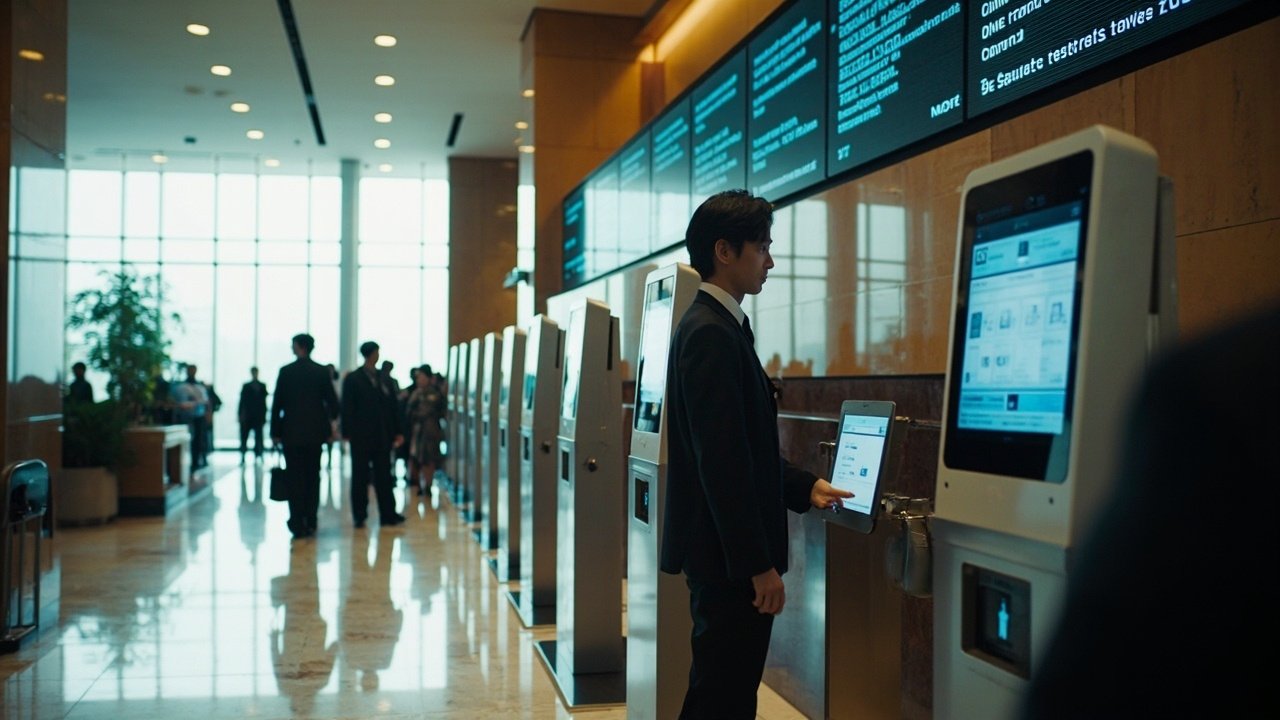
Shanwei Galaxy Bay Hotel is a useful smart hotel retrofit reference because it reflects the real constraints of modernizing an existing property. New-build projects start with cleaner technical assumptions, but retrofit programs must work through inherited infrastructure, room-access limitations, live operations, and service continuity requirements. That makes the quality of the rollout method just as important as the quality of the target guest experience.
In this case, the value appears to come from treating modernization as an operational upgrade, not a cosmetic technology refresh. The project needed to improve room-side presentation, strengthen control logic, and create better guest-service communication while remaining compatible with the realities of an active hotel. That is the kind of retrofit challenge many operators face, and it is exactly why this reference is commercially useful.
Existing hotels rarely provide clean implementation conditions. Networks may have been expanded in stages. Device types may differ across room groups. Engineering access windows may be narrow. Operational teams may need the hotel to remain largely uninterrupted while upgrades are underway. Under those conditions, a strong scope on paper is not enough. Teams need sequencing discipline, realistic standards, and tighter control over exceptions.
The Shanwei Galaxy Bay Hotel reference shows the importance of translating modernization goals into site-ready execution logic. Instead of assuming the hotel can absorb technology change at the same pace as a greenfield deployment, the project appears to have emphasized phased validation and practical coordination. That reduces the risk of creating new inconsistencies while solving old limitations.
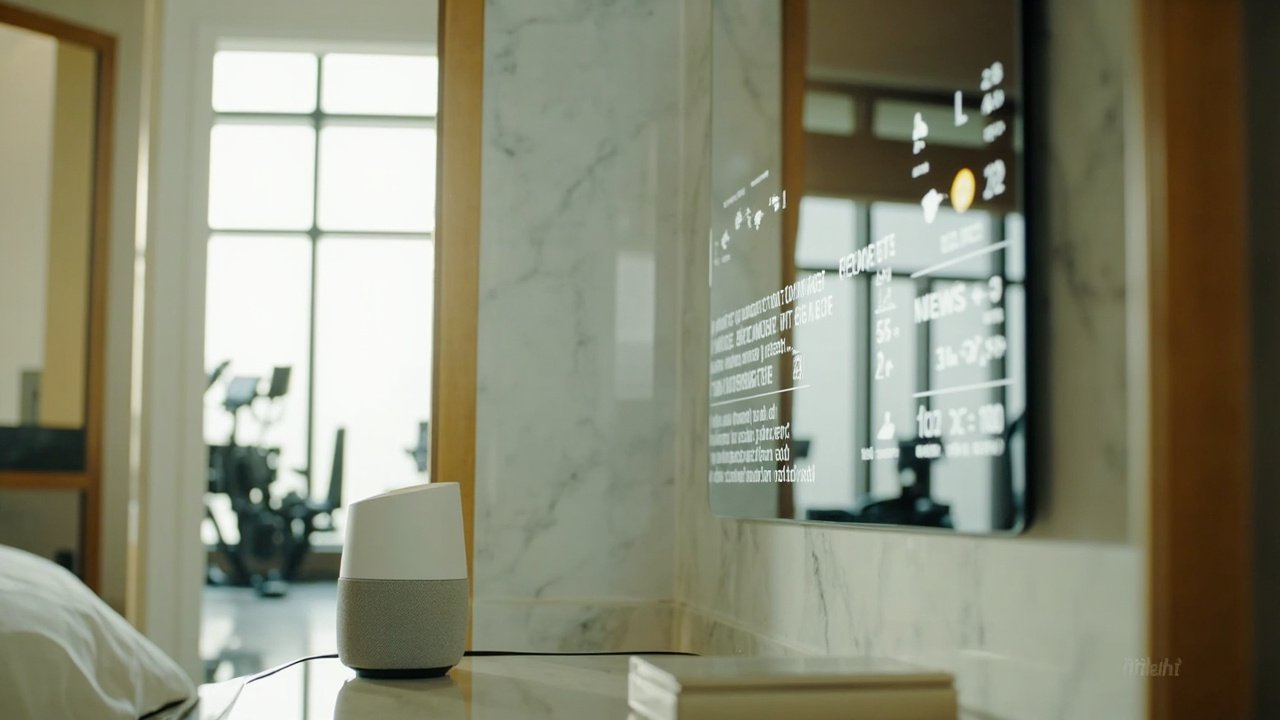
From a guest perspective, retrofit value becomes visible in the room. Hotels want digital experiences that feel current, easier to navigate, and better aligned with modern service expectations. That includes more coherent interface presentation, smoother access to hotel services, and stronger room-side coordination of devices and content. But in retrofit delivery, achieving those outcomes requires more control over standards than in a new build because the legacy environment is already in place.
The reference suggests a disciplined effort to improve room presentation without breaking operational continuity. That is important. An inconsistent upgrade can leave some rooms modernized in one way, others in another, and support logic scattered in between. A structured retrofit protects the property from that kind of uneven outcome.
For hotel operators, the commercial advantage of a controlled retrofit is predictability. Room downtime can be managed more carefully. Guest disruption can be reduced. Support teams can prepare around known upgrade patterns rather than reacting to uncontrolled exceptions. This directly affects how the hotel experiences modernization, not just how the project team reports it.
Delivery control also helps the hotel avoid long-tail support cost. When room-side logic, content updates, and service communication are reviewed together, the property is less likely to inherit a new set of disconnected digital layers that become expensive to maintain after go-live. That is one of the most important distinctions between a successful retrofit and a merely visible one.
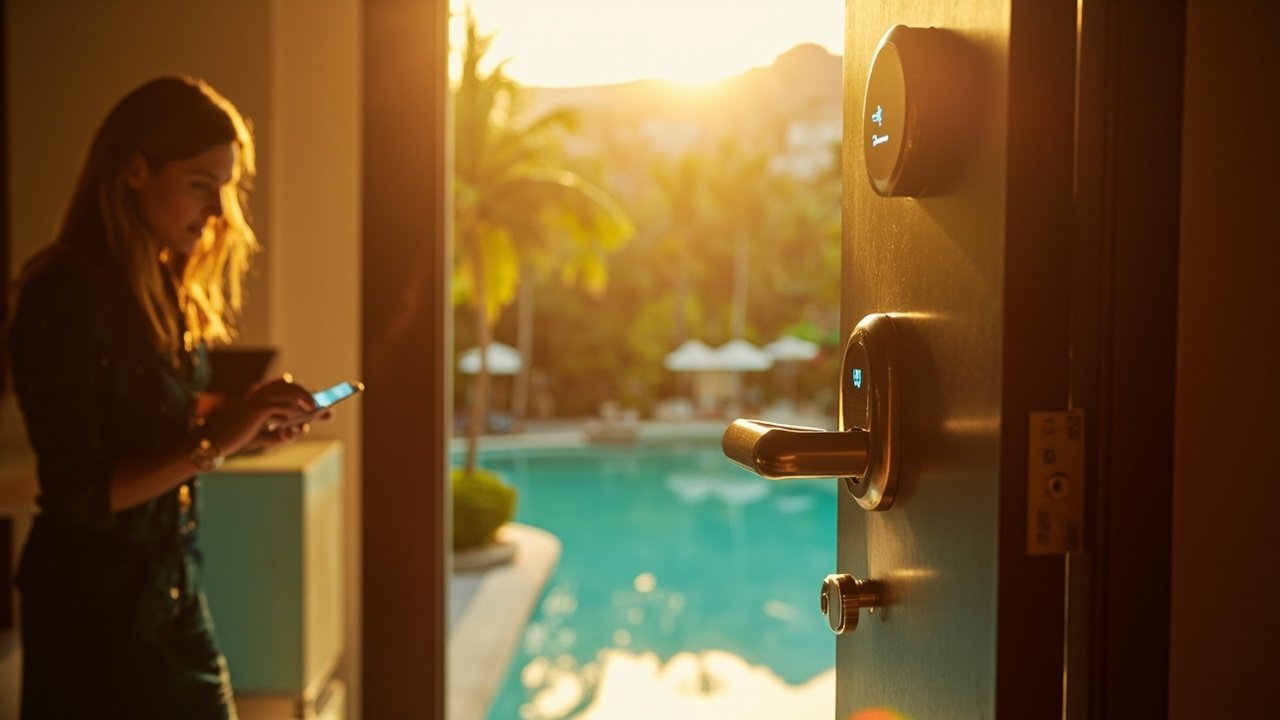
For owners and asset managers, Shanwei Galaxy Bay Hotel reinforces a practical lesson: modernization should be evaluated by execution resilience as well as design ambition. A property gains more from a retrofit that preserves service continuity, reduces hidden coordination risk, and leaves a stronger future-ready foundation than from a scope that looks aggressive but destabilizes operations during rollout.
For consultants and integrators, the case underlines the importance of realistic retrofit framing. Teams should identify what can be standardized, what must remain phased, and which inherited conditions set hard limits on timing or architecture. That is the level at which retrofit credibility is built.
Shanwei Galaxy Bay Hotel shows that a smart hotel retrofit can still deliver meaningful guest-experience improvement when the rollout is organized around real operating conditions. The project is valuable as a reference because it links modernization to delivery discipline, not just to system replacement. That is exactly what operating hotels need when they want better digital capability without losing control of the business already in motion.
 Superadmin ZHANG
May 04, 2025
 Superadmin ZHANG
May 04, 2025


By clicking the button, you are agreeing with our Term & Conditions


