
The rise of solo female travel is driving demand for smart hotel solutions that prioritize safety, personalization, and seamless service. Our feature explores the hospitality technology trends reshaping the guest journey
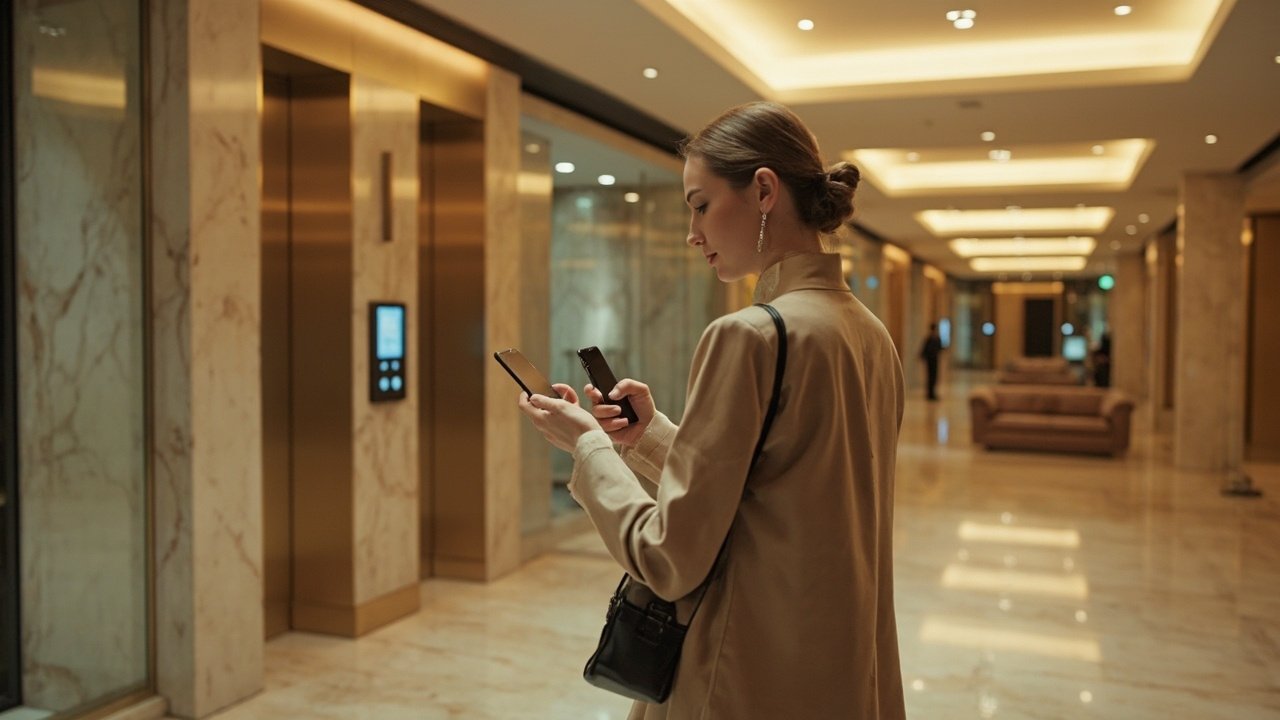
In a bustling hotel lobby, a solo female traveler taps a sleek tablet to complete her check-in, bypassing the front desk entirely. A few steps away, a concierge notices her arrival through a connected dashboard and greets her by name, offering a personalized itinerary for her stay. This moment—captured in our feature image—is not a futuristic vision but a present-day reality for a growing number of properties embracing smart hospitality transformation. The scene is emblematic of a broader shift: hotels are rethinking every touchpoint of the guest journey, driven by the distinct needs of a key demographic—the solo female traveler.
As the number of women traveling alone continues to surge, hotel operators face both an opportunity and a challenge. Solo female travelers, who today represent a significant and fast-growing segment of the leisure and business market, demand more than just a clean room and a friendly smile. They expect intuitive technology, heightened security, and seamless service delivery—all hallmarks of a truly smart hotel. This article examines how the convergence of guest expectations and hospitality technology is accelerating hotel digital transformation, and what that means for owners, operators, and technology integrators.
The solo female traveler is no longer a niche. Data from travel industry associations consistently point to double-digit growth in women traveling alone for both leisure and business. These guests are digitally native, research-intensive, and highly attuned to safety and convenience. They choose hotels that offer frictionless digital experiences—mobile check-in, keyless entry, in-room voice controls—backed by a human touch when needed. As a result, hospitality digital transformation is no longer optional; it is a competitive necessity.
For hotel operators, understanding this profile is critical. A solo female traveler might begin her journey on a mobile app, selecting a room on a specific floor known for enhanced security. Upon arrival, she expects contactless registration via a kiosk or her own device. During her stay, she values real-time communication through chat or SMS, personalized dining recommendations, and the ability to adjust room settings from a tablet. Each of these moments represents a touchpoint where smart hotel solutions can either delight or frustrate.
One area where technology plays a pivotal role is safety. Smart hotels are integrating features specifically designed to reassure solo travelers. From digital key systems that prevent physical key copying to motion sensors that alert staff when a guest has not left their room by a certain time, the possibilities are vast. Some properties now offer virtual concierge services that allow guests to request escorts or report concerns anonymously through an app. These hotel technology trends are not just add-ons; they are becoming standard expectations.
Moreover, the design of public spaces is evolving. Lobbies are being reconfigured to provide visible yet intimate seating areas, with staff stationed at connected kiosks that can instantly access guest preferences and history. The image of the solo female traveler interacting with a tablet while a staff member nearby acknowledges her presence is a perfect illustration of this balance—technology enabling efficiency, while human engagement builds trust.
The guest journey can be broken into three phases: pre-arrival, on-site, and post-stay. Each phase offers opportunities for hospitality technology to create memorable, secure, and personalized experiences.
Long before a guest sets foot in the lobby, smart hotel systems are at work. Integrated property management systems (PMS) and customer relationship management (CRM) tools analyze past behavior, preferences, and even social media activity to tailor the stay. A solo female traveler who previously requested a high-floor room with views and extra pillows will find those preferences automatically applied. The pre-arrival email or app notification might include local safety tips, a curated list of nearby cafes with good wifi, and an offer to pre-book a spa treatment—all designed to reduce anxiety and build excitement.
Mobile check-in is now table stakes, but best-in-class properties go further. They allow guests to choose their exact room from a digital map, share their estimated arrival time, and even unlock their room before reaching the front door. This seamless pre-arrival experience sets the tone for the entire stay and is a direct result of hotel digital transformation strategies that prioritize guest control.
As seen in our feature image, the lobby is a critical hub. The solo female traveler carrying a bag and a phone expects to navigate the environment with minimal friction. Smart hotel solutions such as digital signage, wayfinding apps, and automated check-in kiosks reduce wait times. But the real magic happens when technology is invisible.
Consider the following scenario: A guest approaches the elevator, and it is already scheduled to open at her floor because her room key fob is recognized. She enters her room, the lights and temperature adjust to her preferences, and a welcome message appears on the in-room tablet with local recommendations. Later, she orders room service through the tablet, and the request is instantly routed to the kitchen, while the housekeeping system notes her preferred delivery time. This level of integration requires robust middleware and APIs that connect disparate systems—a challenge that many operators are still grappling with.
For the solo female traveler, consistency matters. She should not have to remember different passwords or repeat her preferences at every touchpoint. Service design in smart hotels therefore goes beyond technology to include training staff to interpret data and act on it. The staff member who greets her by name in the lobby is not just being polite; they are leveraging a connected system that notified them of her arrival and preferences.
Technology without thoughtful service design can feel cold or intrusive, particularly for a solo traveler who may already be cautious. The best smart hotel experiences are those where technology enables personalization without erasing the human element. This requires a holistic approach to hospitality digital transformation that involves every department, from front desk to housekeeping to engineering.
An often-overlooked aspect of smart hotel implementation is the empowerment of staff. When employees have access to real-time guest data through mobile devices, they can anticipate needs and resolve issues proactively. For example, a housekeeper can note that a guest is out of her preferred shampoo and restock it before she returns. A concierge can see that a guest has been browsing local tours on the in-room tablet and offer a personalized booking. This level of service builds deep trust, especially for solo travelers who may be unfamiliar with the destination.
Our services at SmartHotel are designed to help operators implement these exact workflows. From integrating IoT sensors with PMS to deploying staff communication platforms, we ensure that technology serves both the guest and the employee.
With great data comes great responsibility. Solo female travelers are particularly sensitive to how their information is used. Smart hotel solutions must be transparent, giving guests control over what data is collected and how it is shared. Opt-in preferences, clear privacy policies, and the ability to delete data upon checkout are becoming mandatory. Operators should view privacy as a competitive differentiator, not a compliance burden.
To fully capture the potential of smart hotel solutions, digital transformation must extend to every operational layer. This includes not only guest-facing technology but also backend systems that improve efficiency and sustainability.
Modern hotels run on a stack of software: PMS, central reservation system (CRS), revenue management, housekeeping, maintenance, and guest experience platforms. The key to a seamless guest journey is integration. APIs and middleware platforms can synchronize data across these systems, enabling real-time updates and single-source-of-truth visibility. For instance, when a solo traveler checks in via mobile, the PMS should immediately notify housekeeping to prepare the room, the restaurant system to update menu suggestions, and the concierge team to prepare welcome amenities.
The pandemic accelerated adoption of contactless technologies, but they remain a permanent expectation, especially for solo travelers. Keyless entry via smartphone, QR code menus, mobile payment, and virtual guest services are now baseline requirements. Hotels that have invested in hospitality technology like Bluetooth locks and cloud-based phone systems are seeing higher guest satisfaction scores and more repeat bookings from this demographic.
At SmartHotel, we have observed that properties leading in digital transformation are also the ones attracting high-spending solo travelers. Our approach to hotel digital transformation emphasizes an integrated roadmap that prioritizes both guest experience and operational ROI.
Adopting smart hotel solutions is not without challenges. Here are key considerations for operators contemplating a digital transformation initiative.
Too many hotels purchase technology without first defining the outcomes they want to achieve. A successful hospitality digital transformation begins with a guest journey map that identifies pain points and opportunities. For the solo female traveler, common pain points include long wait times, security concerns, and lack of local knowledge. Smart solutions should be selected specifically to address these issues.
Single-property solutions may not work for chains. Operators should invest in cloud-based systems that can scale across multiple locations while maintaining data consistency. APIs are your friends—choose vendors that offer open integrations rather than closed ecosystems.
The most sophisticated smart hotel system fails if staff are not trained to use it. Equally important is cultural change: embracing a mindset of continuous improvement and data-driven decision-making. Include staff in the selection process and clearly communicate how technology will make their jobs easier and better serve guests.
Use metrics that tie directly to guest experience and revenue. For solo travelers, track satisfaction scores related to ease of check-in, perceived safety, and personalization. A/B test different technology interventions to see what resonates. The goal is not to implement every shiny gadget, but to create a cohesive ecosystem that delivers measurable results.
If you are ready to begin your transformation journey, contact us to discuss how our expertise can help you design a smart hotel that appeals to the modern traveler.
Solo female travelers prioritize safety, convenience, and control. Key features include mobile check-in and keyless entry, real-time staff communication via chat, in-room tablets for service requests, reliable high-speed internet, and well-lit, visible public areas. Integration of safety features such as panic buttons or geofencing alerts for staff can also be differentiators.
Technology should enable staff, not replace them. Use data to anticipate needs, then empower employees to act on that data with genuine warmth. For example, a guest who uses the app to request extra towels should receive them quickly, with a note from housekeeping. The best smart hotels use technology to handle routine tasks so humans can focus on meaningful interactions.
Common pitfalls include purchasing technology that does not integrate with existing systems, neglecting staff training, and implementing features that are more gimmick than utility. A disconnected guest journey—for instance, having to reintroduce preferences at each touchpoint—is a sure way to frustrate solo travelers. Always start with the guest experience and work backward to technology choices.
Not necessarily. Many smart hotel solutions are modular and can be adopted gradually. Cloud-based PMS, mobile check-in, and integrated guest communication platforms are affordable and scalable. Independent hotels can also partner with technology providers like SmartHotel to access enterprise-grade solutions without large upfront investments. The key is to prioritize investments that directly impact guest satisfaction and operational efficiency.
The image of a solo female traveler confidently navigating a smart hotel is more than a snapshot—it is a signal of where the industry is heading. Hotels that embrace hospitality technology and hotel digital transformation are not only meeting the expectations of today's travelers but also future-proofing their operations. The solo female travel segment, with its emphasis on safety, personalization, and seamlessness, serves as a powerful lens for evaluating the effectiveness of any smart hotel initiative.
Investing in smart hotel solutions is a strategic decision that pays dividends in guest loyalty, operational efficiency, and revenue. As the lines between physical and digital experiences continue to blur, the properties that will thrive are those that design every touchpoint with intention—balancing high-tech convenience with high-touch care. The time to act is now, and the blueprint starts with understanding the guest who has just stepped into your lobby, tablet in hand, ready to be impressed.
This feature is part of our ongoing coverage of hotel technology trends and hospitality digital transformation. For more insights and implementation support, explore our services or get in touch via our contact page.
The Solo Female Traveler and the Rise of Smart Hospitality: A Digital Transformation Blueprint connects directly with the broader solution stack and current hospitality industry guidance.
 Superadmin ZHANG
May 04, 2025
 Superadmin ZHANG
May 04, 2025


By clicking the button, you are agreeing with our Term & Conditions


